Healthcare Management Humanities Institute (HMHI)
The Humanities in Healthcare Management Institute integrates humanities-based learning into healthcare leadership and management education, explicitly aligned with the National Center for Healthcare Leadership (NCHL) Competency Model. The program applies literature, history, philosophy/ethics, and reflective practice to strengthen leadership effectiveness, ethical decision-making, communication, and professional identity in complex healthcare systems. We aim to research new ways of working toward a new paradigm that embraces the humanities as a core, integrated curriculum in professional healthcare management education.
Healthcare leaders face unique personal and professional moral dilemmas in their work, whether at the bedside or in support of direct patient care. As a result, the healthcare workforce experiences burnout, equity challenges, and rapid organizational change. In addition to management practices to improve healthcare delivery and the augmentation of technology, the humanities offer essential and fundamentally human skills, practical leadership tools that enhance self-awareness, relationship management, execution, and value-driven leadership across healthcare settings.
Developing a new healthcare management paradigm is needed to respond the needs of healthcare workers by emphasizing:
Self-Awareness: Reflective reading and writing deepen insight into values, bias, and professional identity.
Integrity & Ethical Conduct: Humanities-based ethical inquiry strengthens moral reasoning and principled decision-making.
Communication Skills: Narrative competence enhances listening, clarity, and relationship-centered communication.
Relationship Management: Shared discussion and storytelling foster empathy, collaboration, and trust.
Talent Development & Workforce Engagement: Humanities approaches support resilience, meaning-making, and leadership presence.
Execution & Change Leadership: Literature and case narratives provide frameworks for navigating complexity, ambiguity, and transformation.
Healthcare leadership today demands more than operational expertise; it requires the ability to lead across cultures, disciplines, and hierarchies while fostering resilience, purpose, and empathy. By embedding humanities into leadership development, HMHI helps reduce burnout, strengthen staff engagement, and cultivate compassionate, forward-thinking leaders.


Our Focus Areas
Humanities in Leadership – Applying arts, ethics, narrative, and philosophy to improve decision-making, communication, and cultural awareness.
Frontline Experience – Elevating the voices of non-clinical leaders managing facilities, operations, and patient services.
Cross-Sector Collaboration – Partnering with experts in technology, behavioral science, and management to co-design solutions.
Motivation & Purpose – Restoring meaning to healthcare work through storytelling, history, and reflective practice.
What We Do
At its core, the integration of the humanities into leadership development cultivates capabilities that are both deeply personal and profoundly organizational. Through reflective reading and writing, individuals strengthen self-awareness—gaining insight into their values, biases, and evolving professional identity.
Humanities-based ethical inquiry sharpens integrity and moral reasoning, supporting principled decision-making in complex environments. Narrative competence enhances communication skills, fostering attentive listening, clarity, and relationship-centered dialogue. In shared discussion and storytelling, leaders build stronger relationships grounded in empathy, collaboration, and trust.
These approaches also contribute to talent development and workforce engagement by promoting resilience, meaning-making, and authentic leadership presence. Finally, literature and case narratives offer powerful frameworks for execution and change leadership, equipping leaders to navigate ambiguity, manage complexity, and lead transformation with insight and purpose.
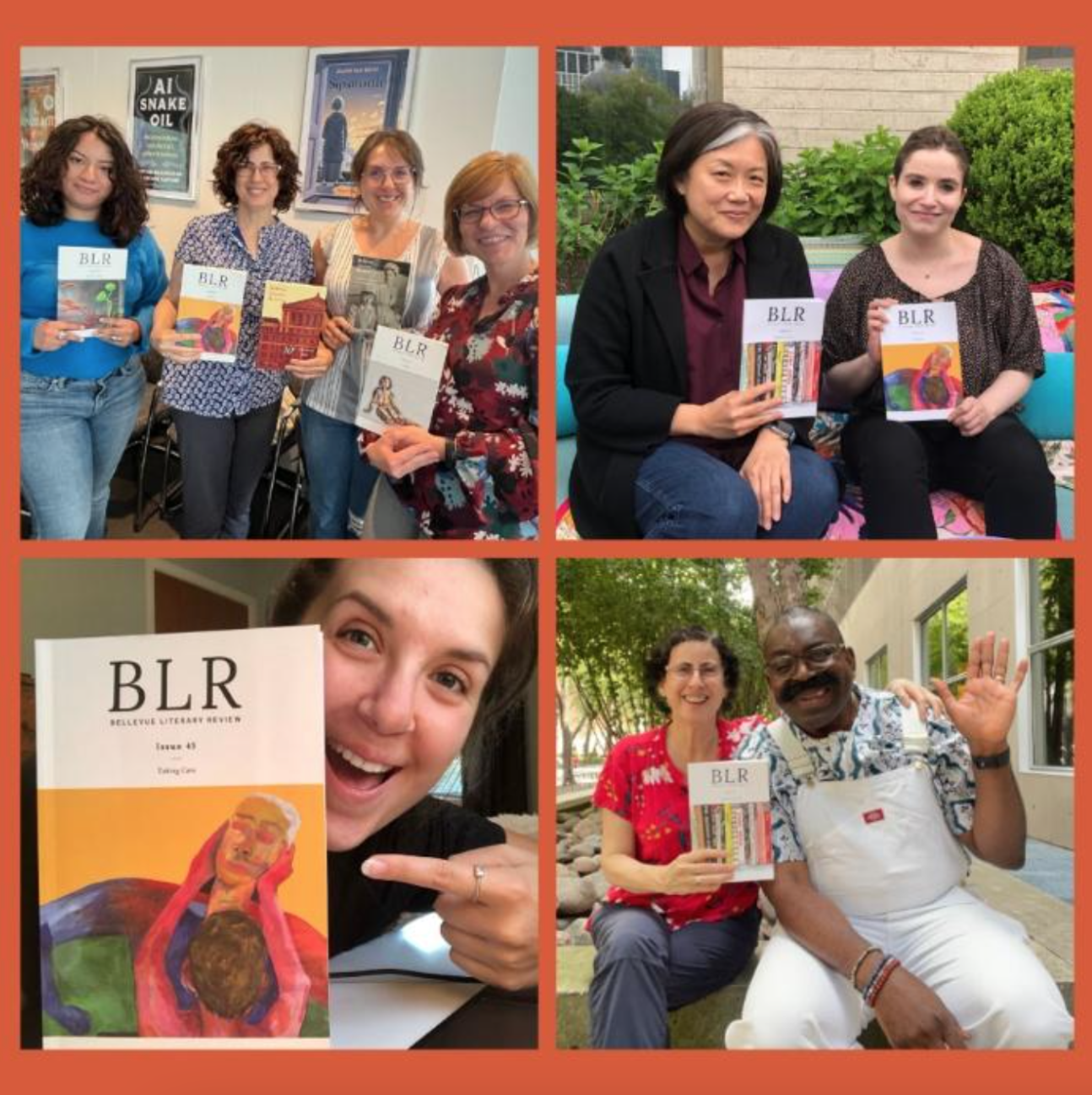
We partner and promote the humanities by partnering with literary, history-based organizations and others; we conduct research, publish findings, develop curricula, and host webinars, conferences, and dialogues that connect humanities scholarship with real-world healthcare challenges. Our work draws from both inside and outside healthcare, fostering innovation that’s grounded in human values.

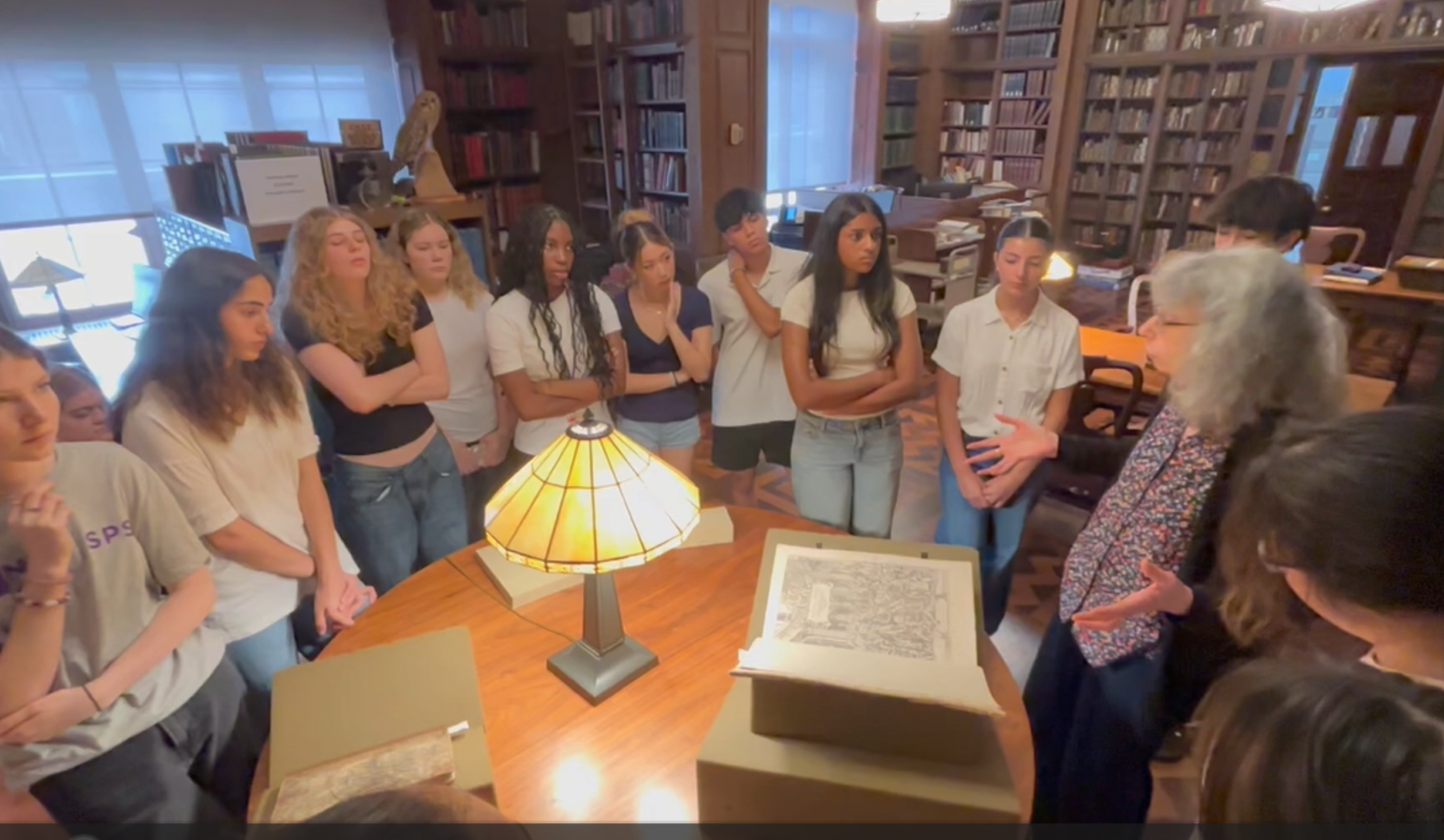
Healthcare Humanities Research Hub
Interdisciplinary research on arts, ethics, narrative, and philosophy in healthcare leadership. Publishes findings, hosts webinars and conferences, and contributes to future-of-work initiatives.Leadership Insights Series
Quarterly in-person or virtual sessions translating research and field experience into actionable frameworks for leaders.Curriculum Development for Non-Clinical Leaders
Co-designed healthcare management and humanities curriculum in collaboration with academic institutions and healthcare organizations to prepare future-ready leaders.
Signature Offerings:
Why It Matters
Non-clinical leaders shape the environment of care. When equipped with both operational competence and humanistic insight, they are better prepared to:
Improve patient and staff experiences
Lead ethically in the AI and digital era
Build resilient, collaborative teams
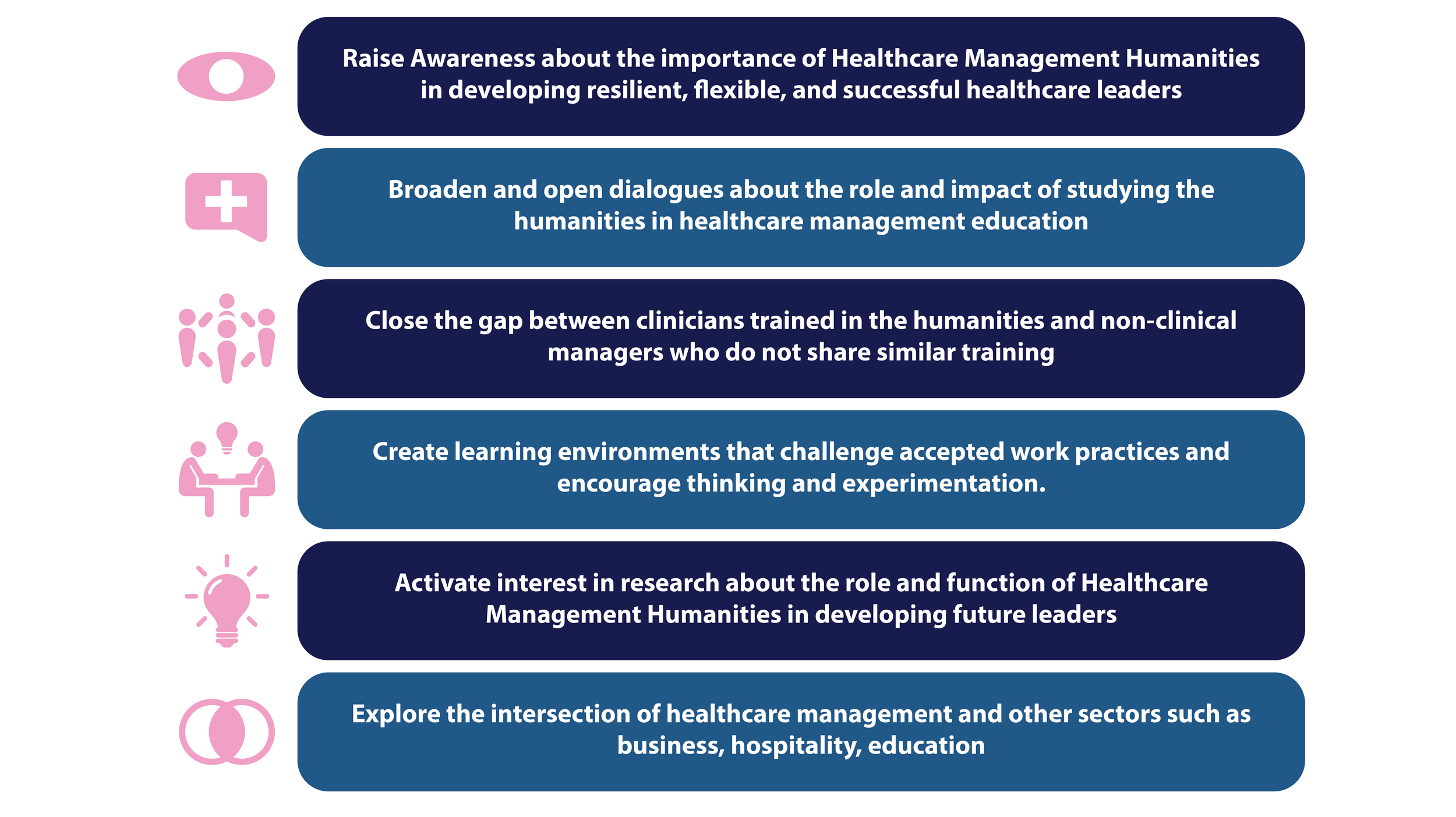
HMHI Strives To:
HMHI plays an active role in the healthcare community. Through research and collaboration, team members participate in briefings, panels and conferences.